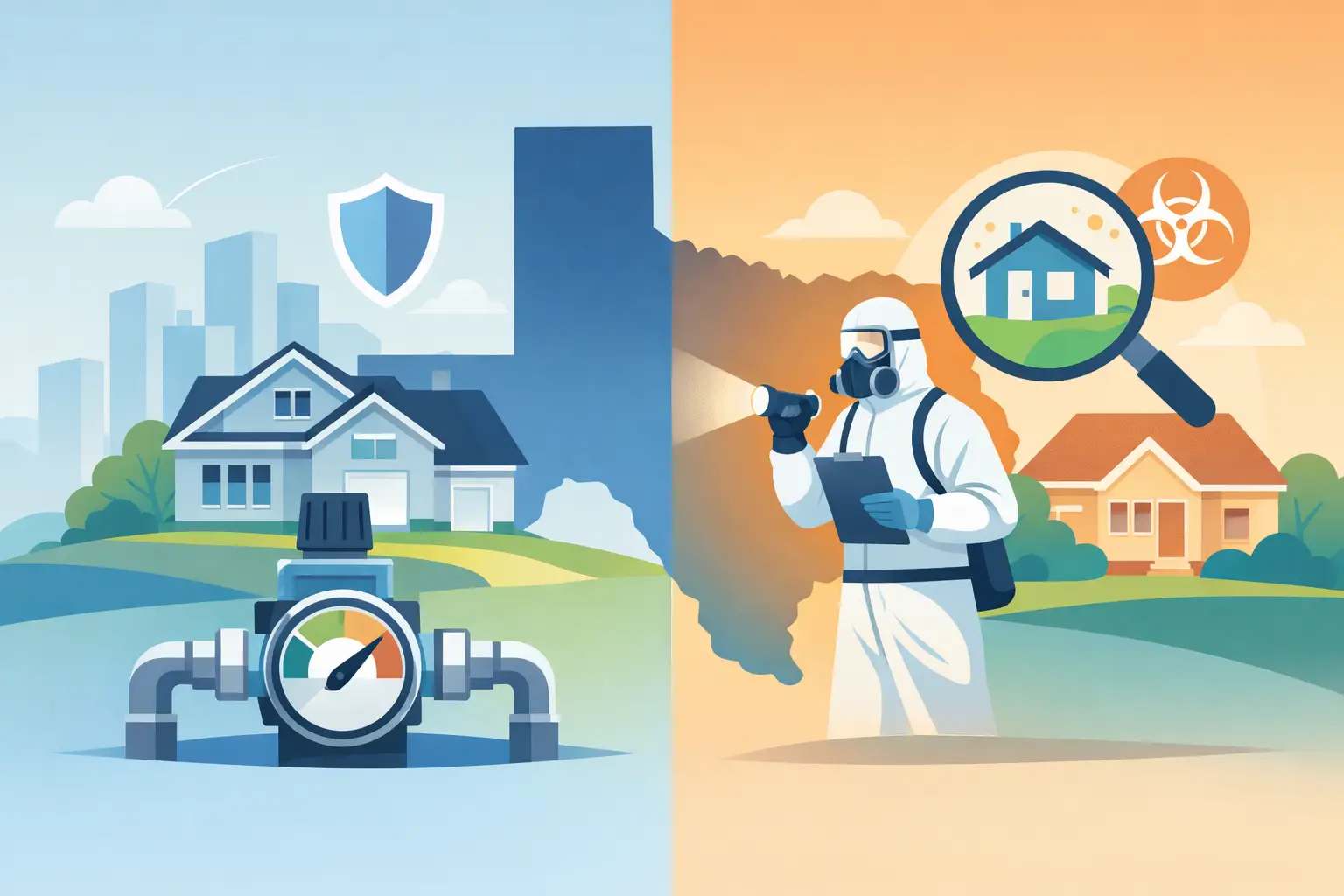
PRV vs Clearance Testing for Texas Property Owners
Understand PRV vs clearance testing, what the terms mean, and how independent verification helps confirm a Texas mold remediation project meets its scope.
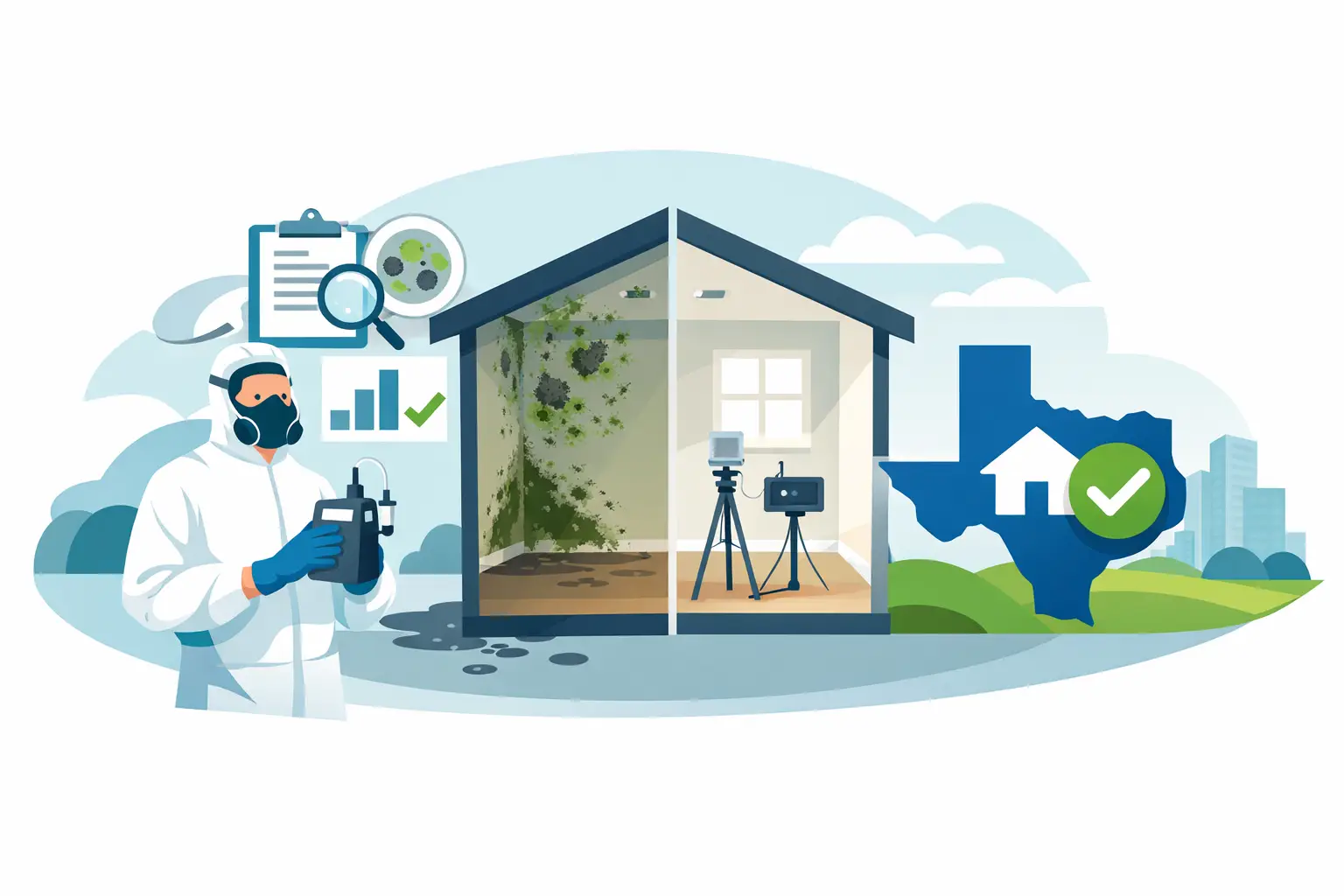
Is PRV Required After Mold Remediation in Texas?
Is PRV required after mold remediation in Texas? Learn when post-remediation verification is legally required, contractually expected, and smart protection
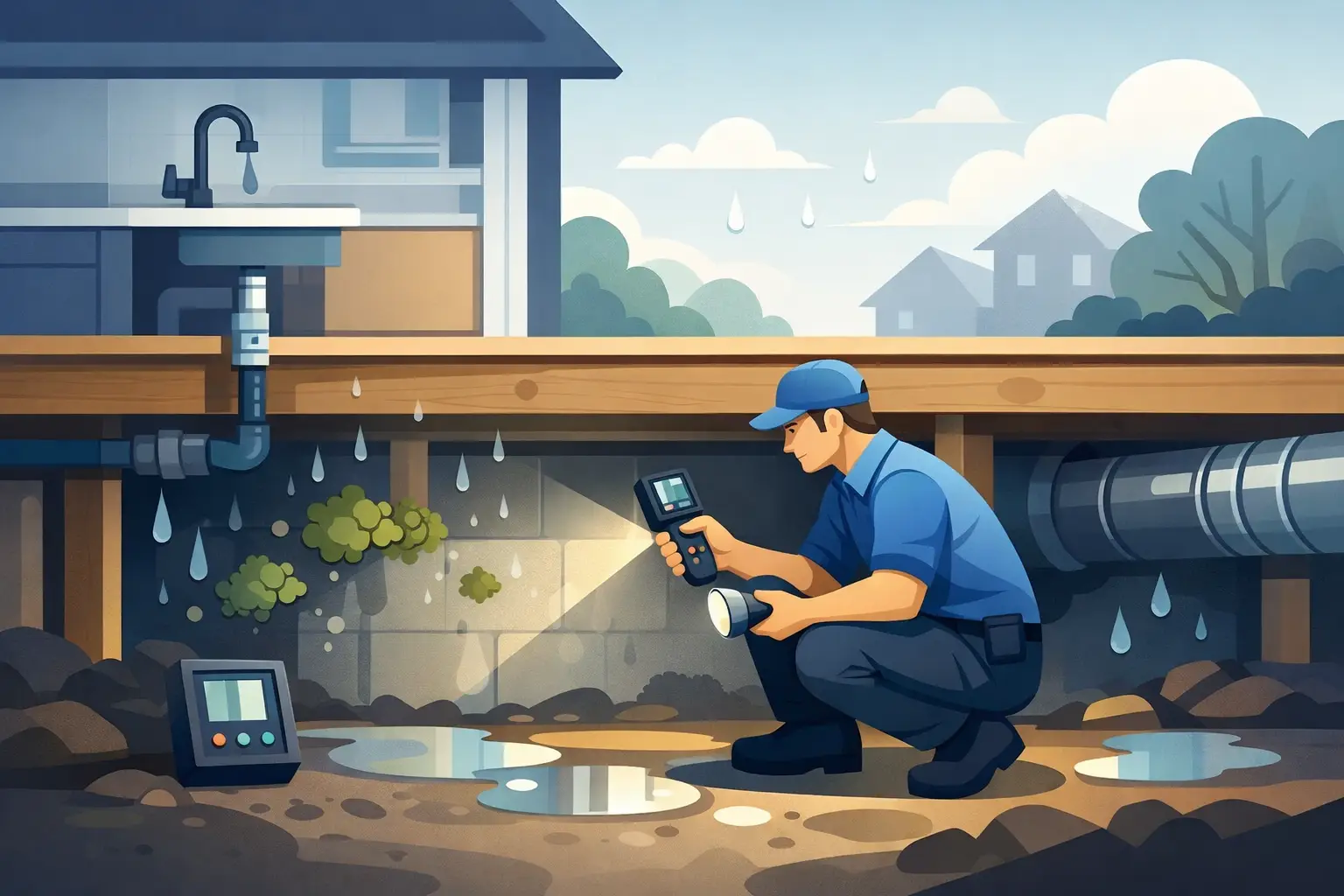
How to Assess Crawlspace Moisture Before Mold Spreads
Learn how to assess crawlspace moisture using visual clues, humidity readings, and building science to identify mold risks before they worsen indoors.

Mold Documentation Guide for Texas Property Owners
A mold documentation guide for recording moisture, visible growth, testing, remediation, and verification in clear property records for sound decisions.
Commercial Property Moisture Management Guide
A commercial property moisture management guide for finding leaks, controlling humidity, documenting damage, and preventing mold-related conditions early.
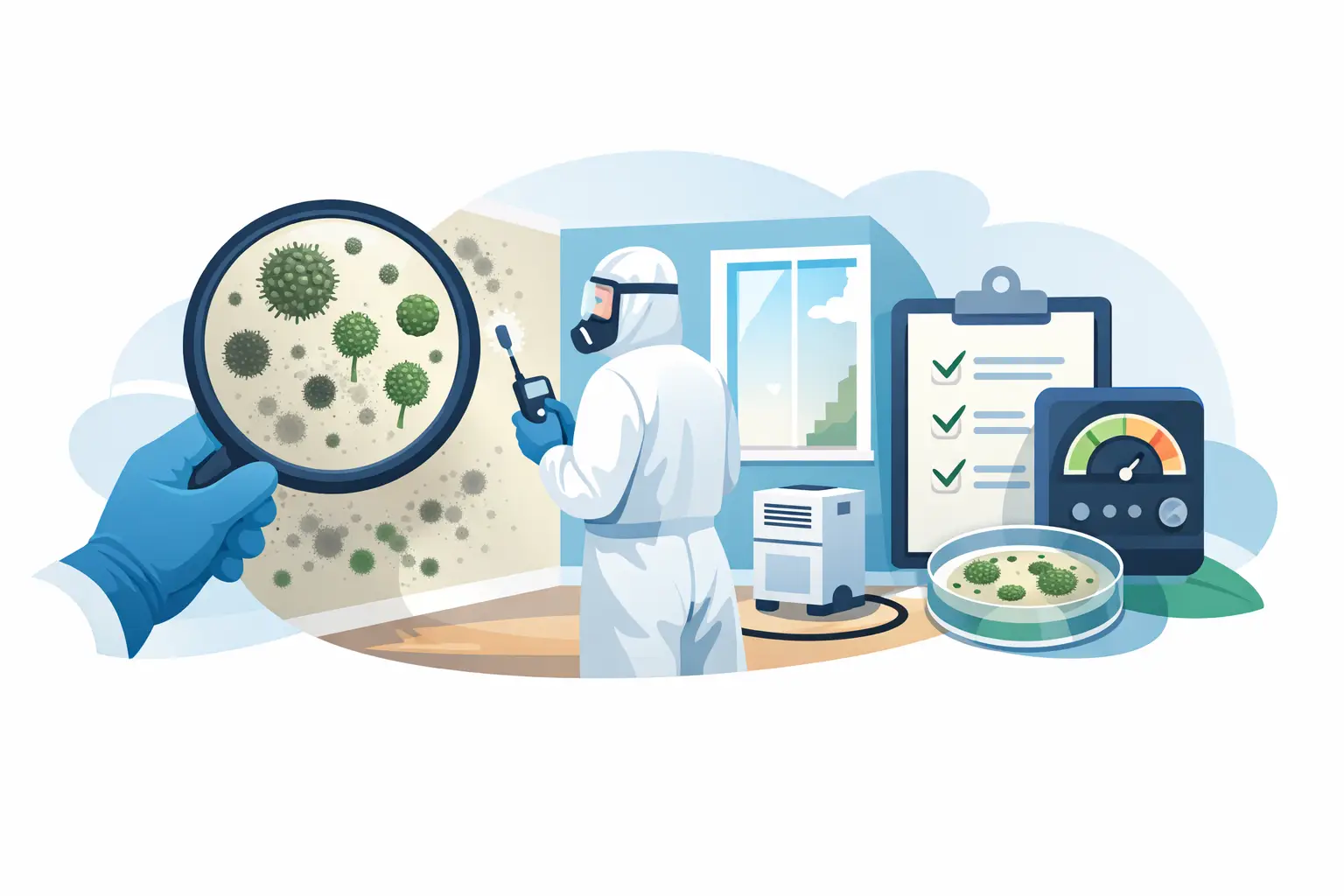
How to Verify Mold Cleanup After Remediation
Learn how to verify mold cleanup with independent post-remediation verification, moisture checks, visual inspection, and testing when appropriate is needed.
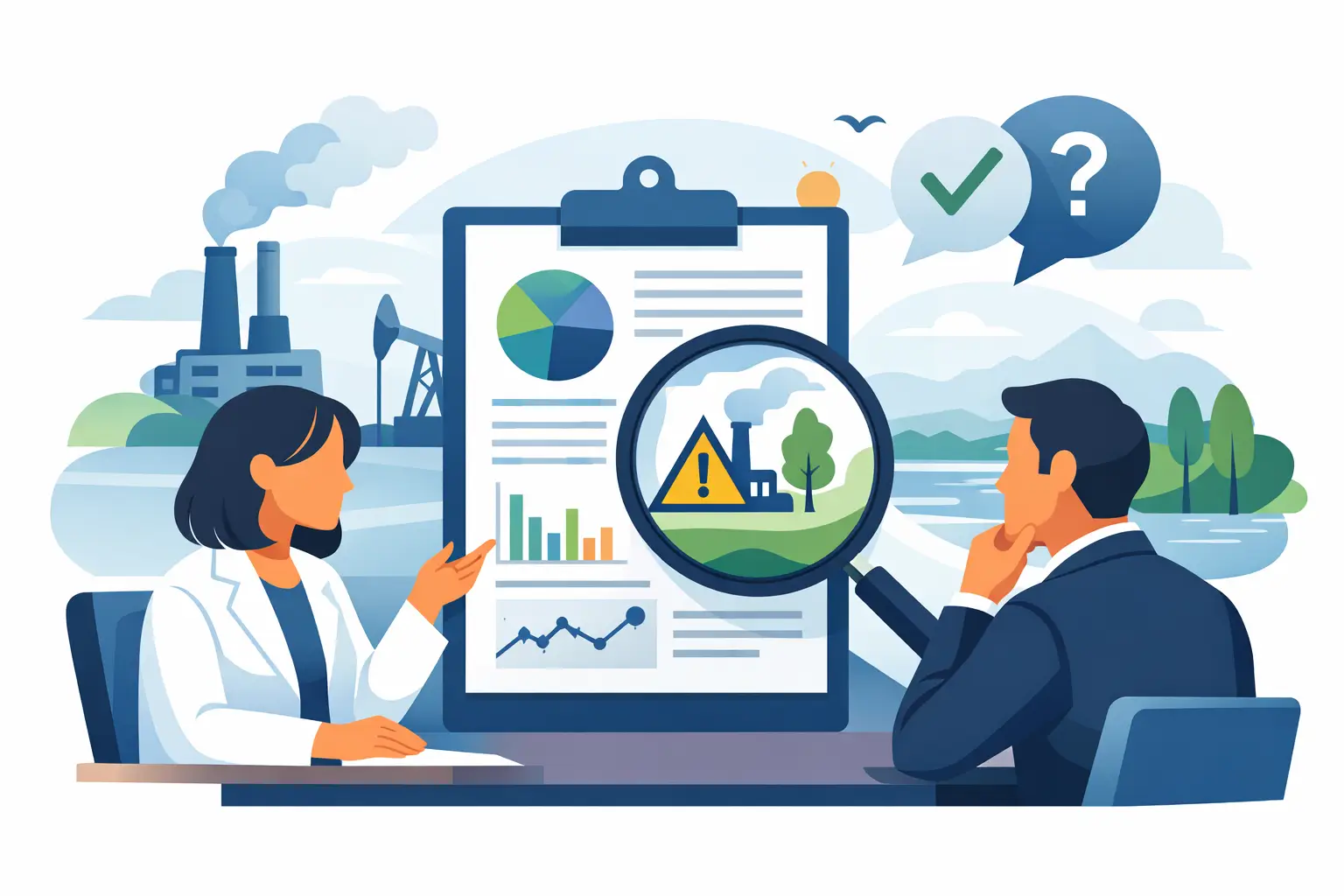
When You Need an Environmental Report Second Opinion
Need clarity after a mold assessment? An environmental report second opinion reviews findings, moisture evidence, scope, and next steps objectively, too.

How to Document Water Damage for a Claim
Learn how to document water damage with photos, moisture records, and clear notes to support insurance claims and identify potential hidden mold risks promptly.
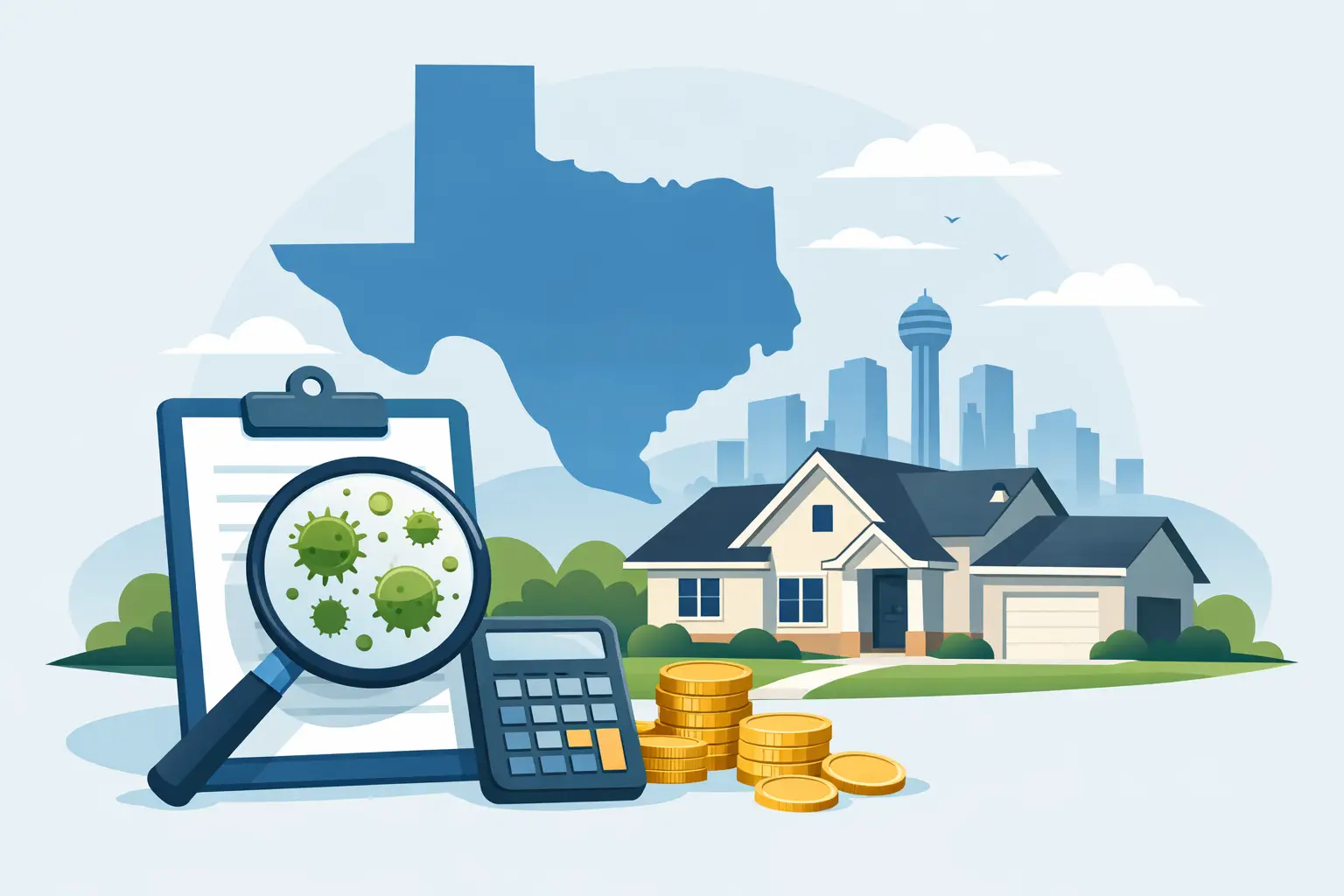
Mold Testing Cost for Texas Property Owners
Understand mold testing cost in Texas, what affects pricing, when sampling is useful, and why an independent assessment can prevent costly later surprises.
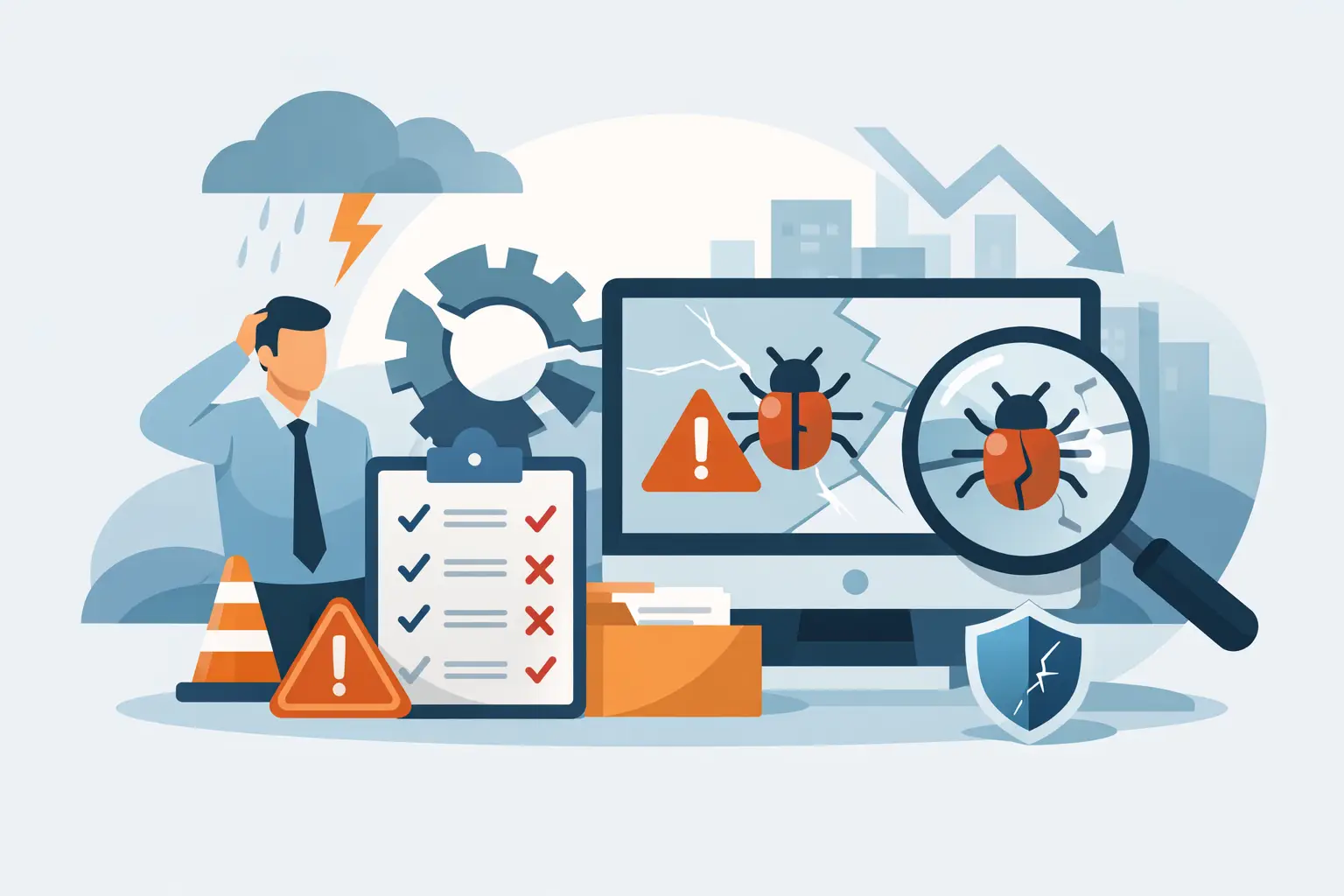
A Failed Remediation Example and What It Reveals
See how a failed remediation example exposes missed moisture, incomplete containment, and why independent PRV protects Texas property owners after repairs.

What a Remediation Protocol Audit Should Find
A remediation protocol audit reviews moisture control, containment, cleaning, and documentation so mold work can be completed and verified correctly.
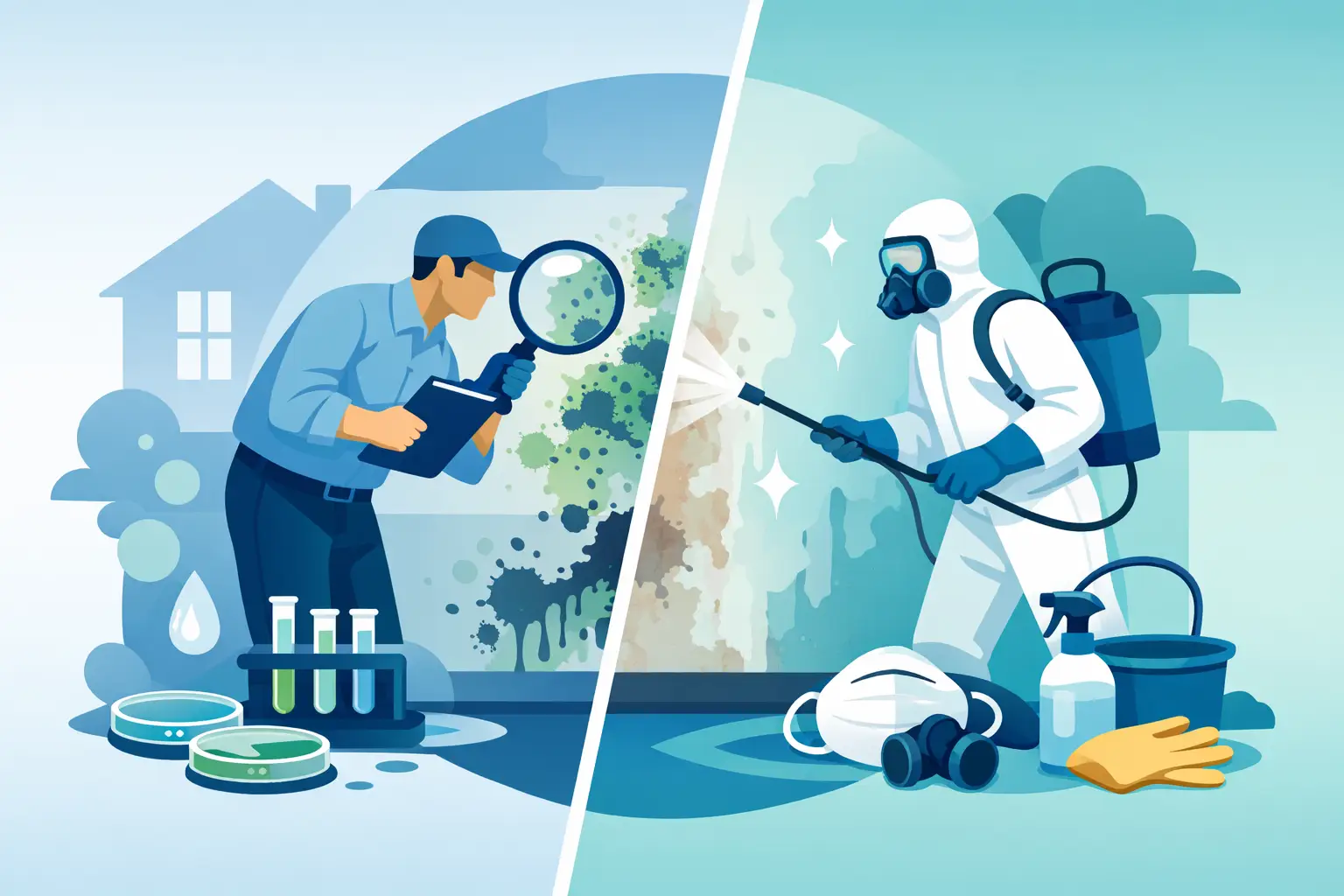
Mold Assessment Versus Remediation Explained
Learn how mold assessment versus remediation differ, why independent assessment matters, and how protocols and PRV support a successful project with clarity.

Independent Assessor Versus Remediation Company
Compare an independent assessor versus remediation company to understand unbiased mold evaluation, protocols, and reliable post-remediation verification.
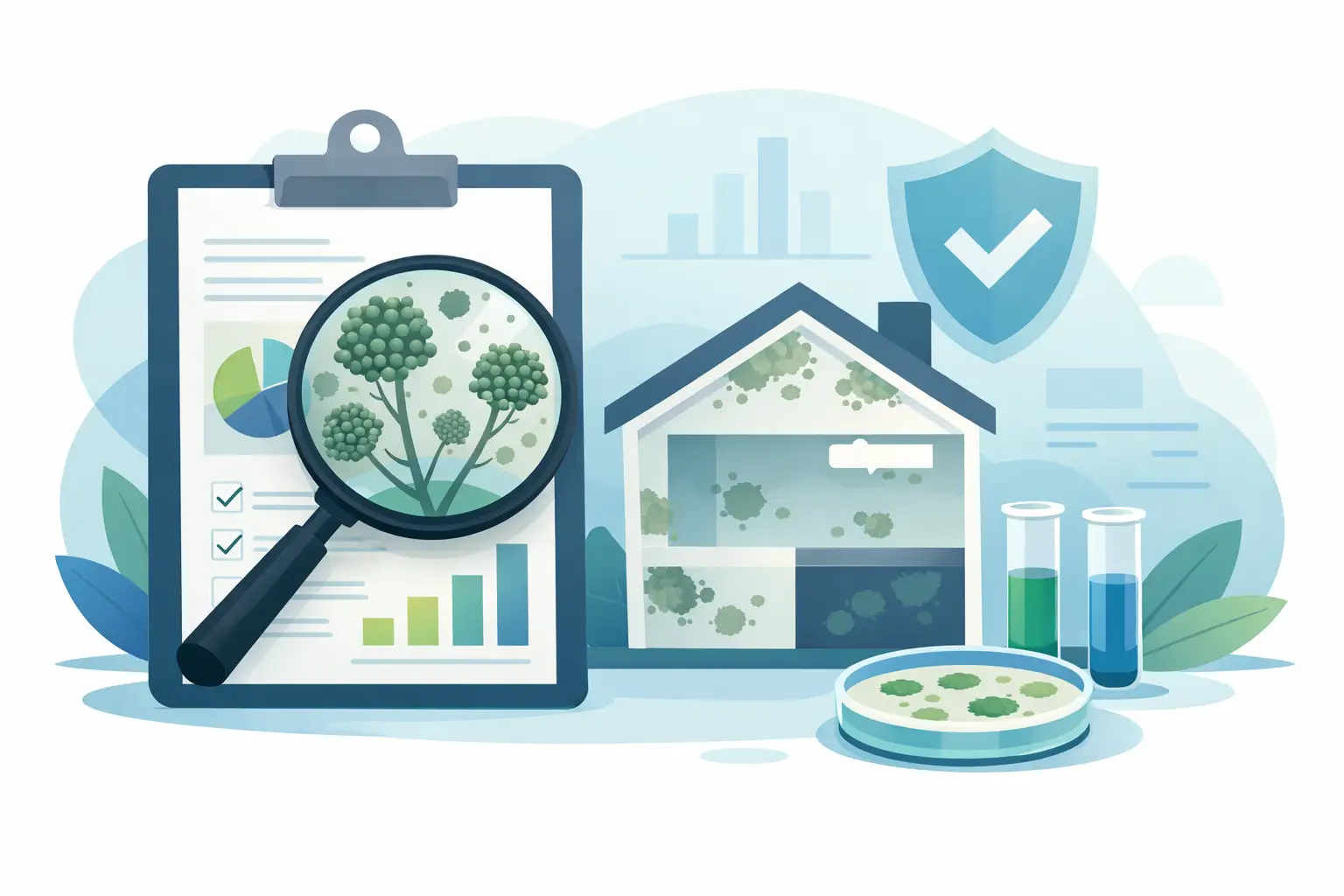
Mold Report Example: What a Defensible Report Shows
Review a mold report example to see how independent findings, moisture evidence, sampling, and remediation steps support informed property decisions well.
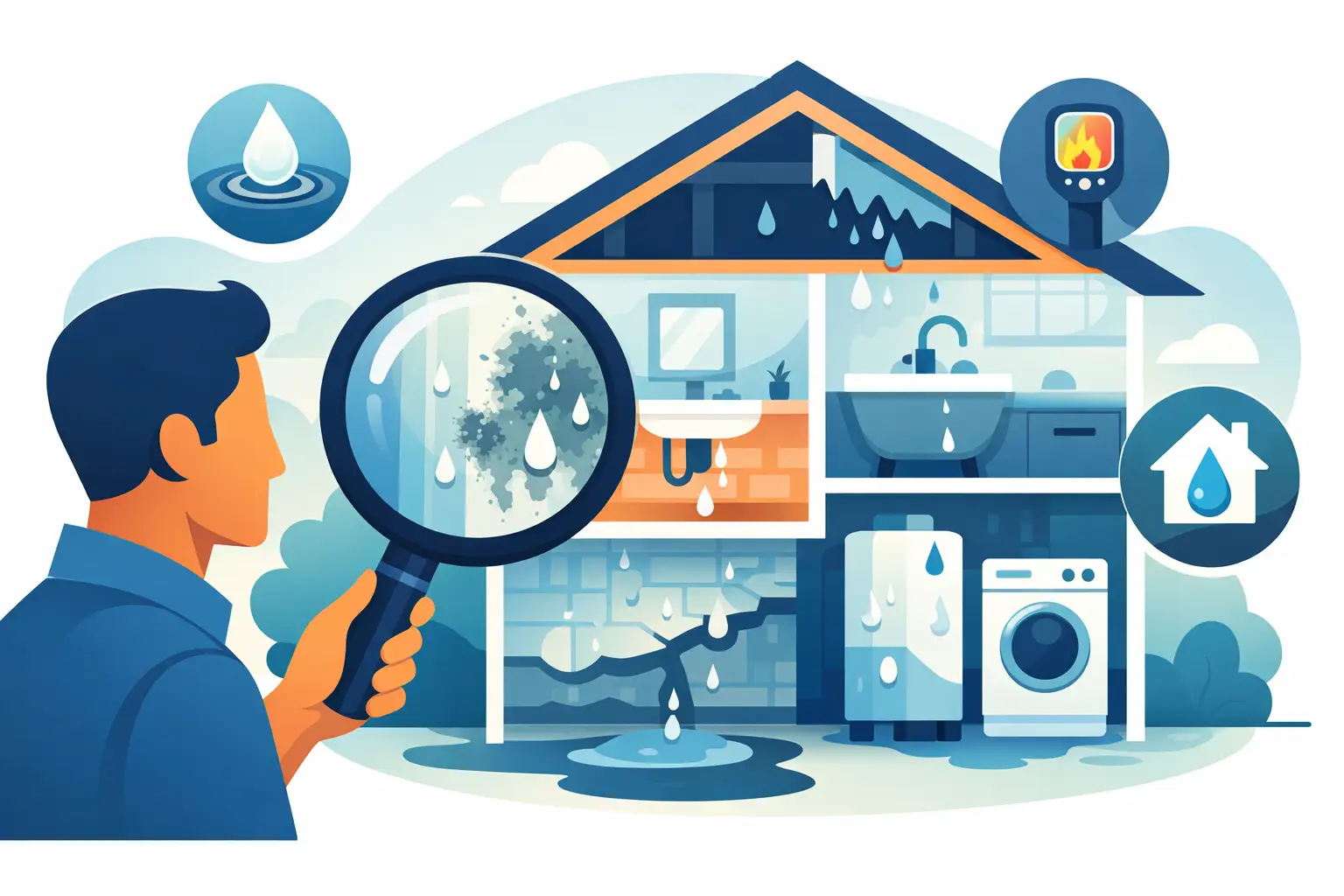
How to Find Hidden Moisture Sources at Home
Learn how to find hidden moisture sources before they support mold growth, using practical clues and professional building-science assessment methods.
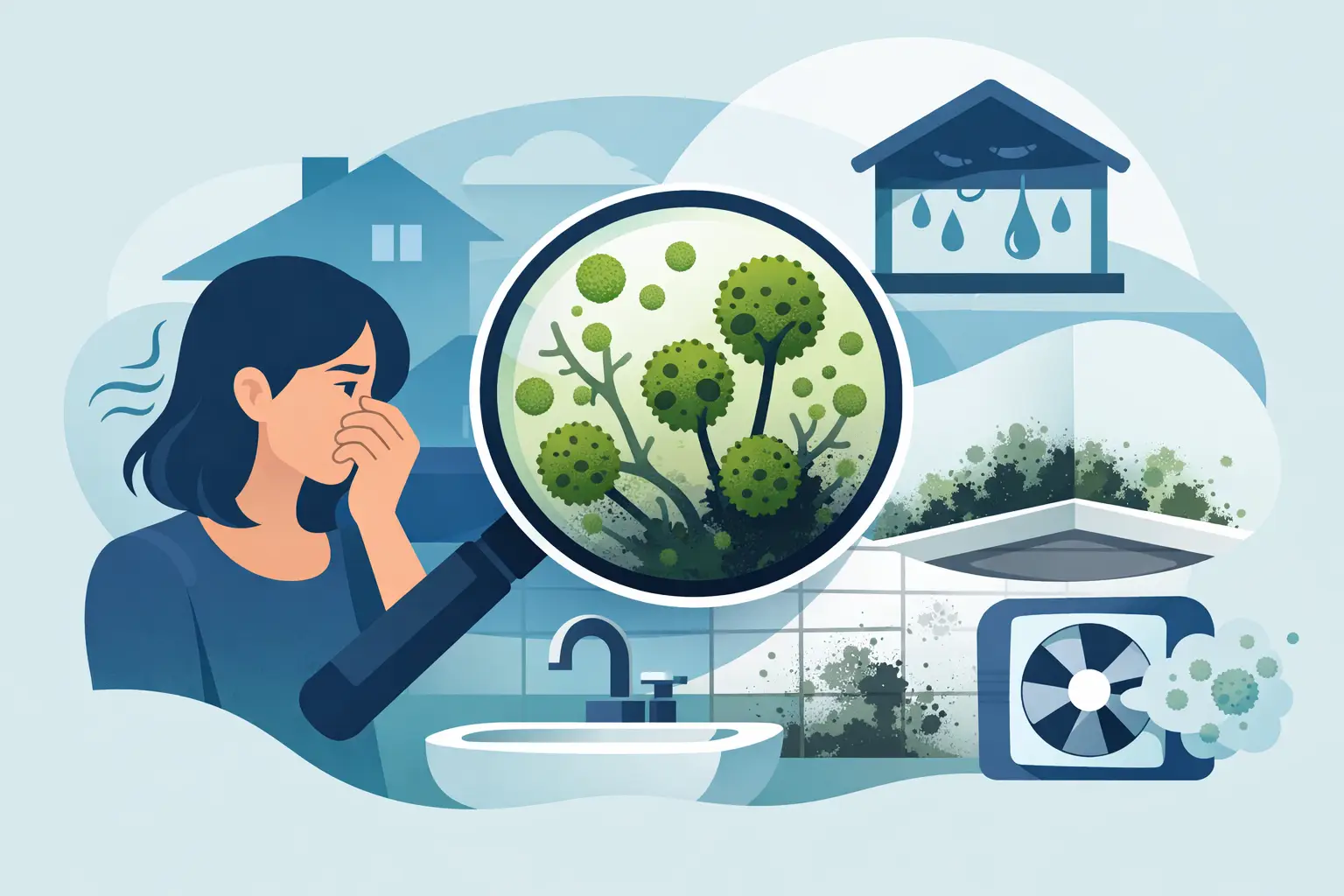
Mold Warning Signs You Should Not Ignore
Learn the mold warning signs that point to moisture problems, hidden growth, or poor indoor conditions, and when an independent assessment makes sense.
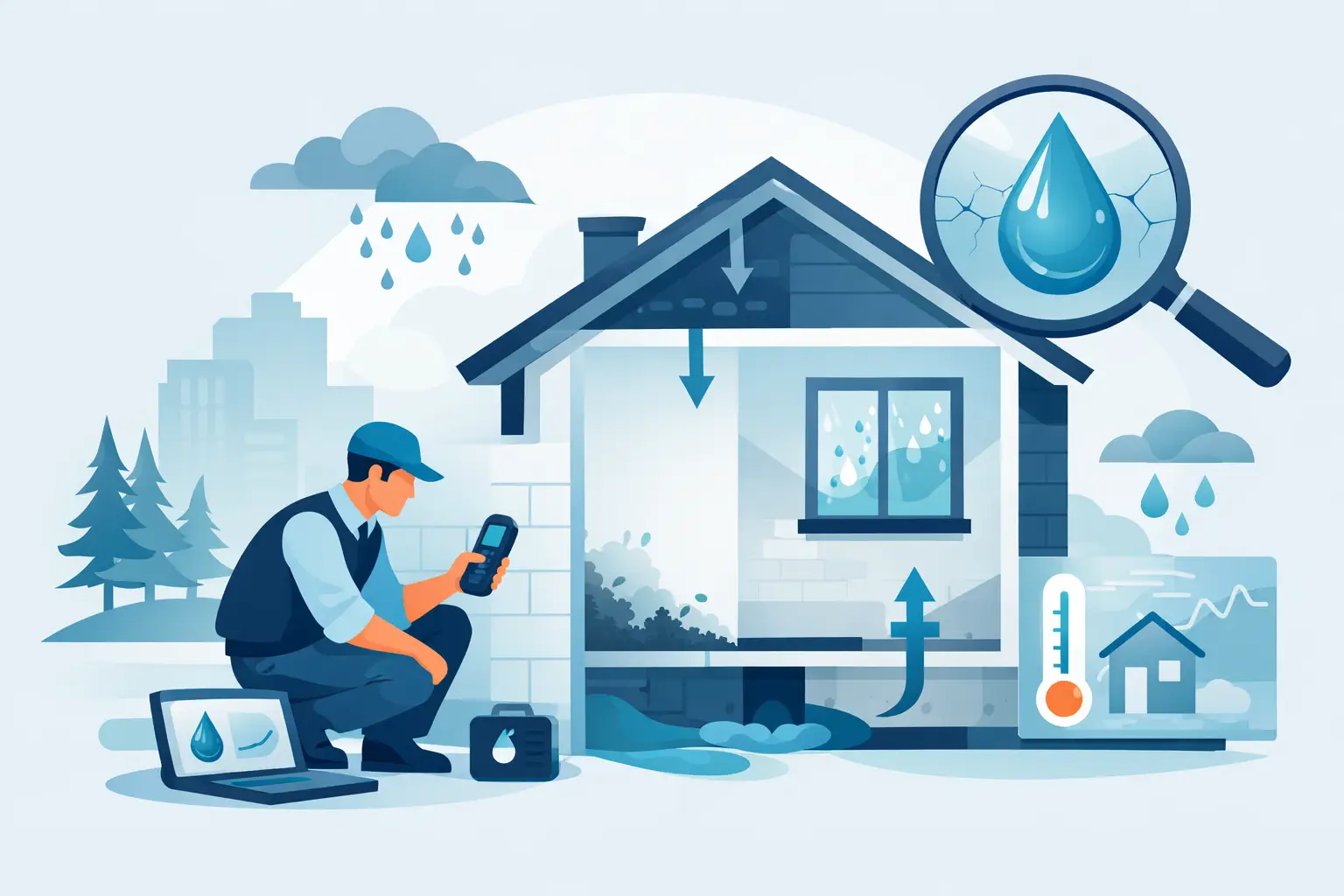
Building Science Moisture Investigation Explained
A building science moisture investigation identifies why materials get wet, maps hidden conditions, and guides objective mold assessment and proper repairs.
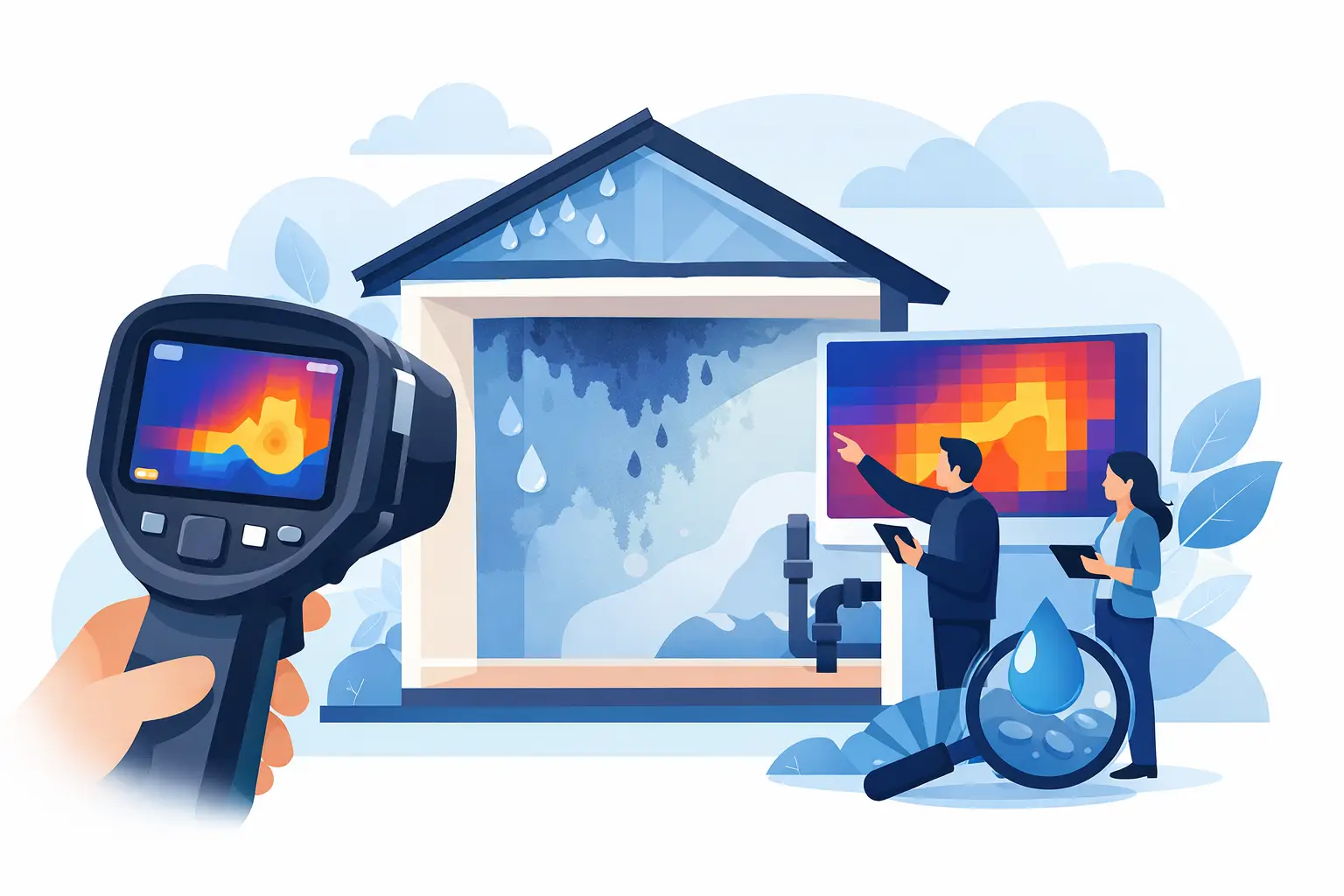
Thermal Imaging for Moisture Detection Explained
Thermal imaging for moisture detection helps find building concerns. Learn what infrared scans show, what they cannot prove, and why verification matters.
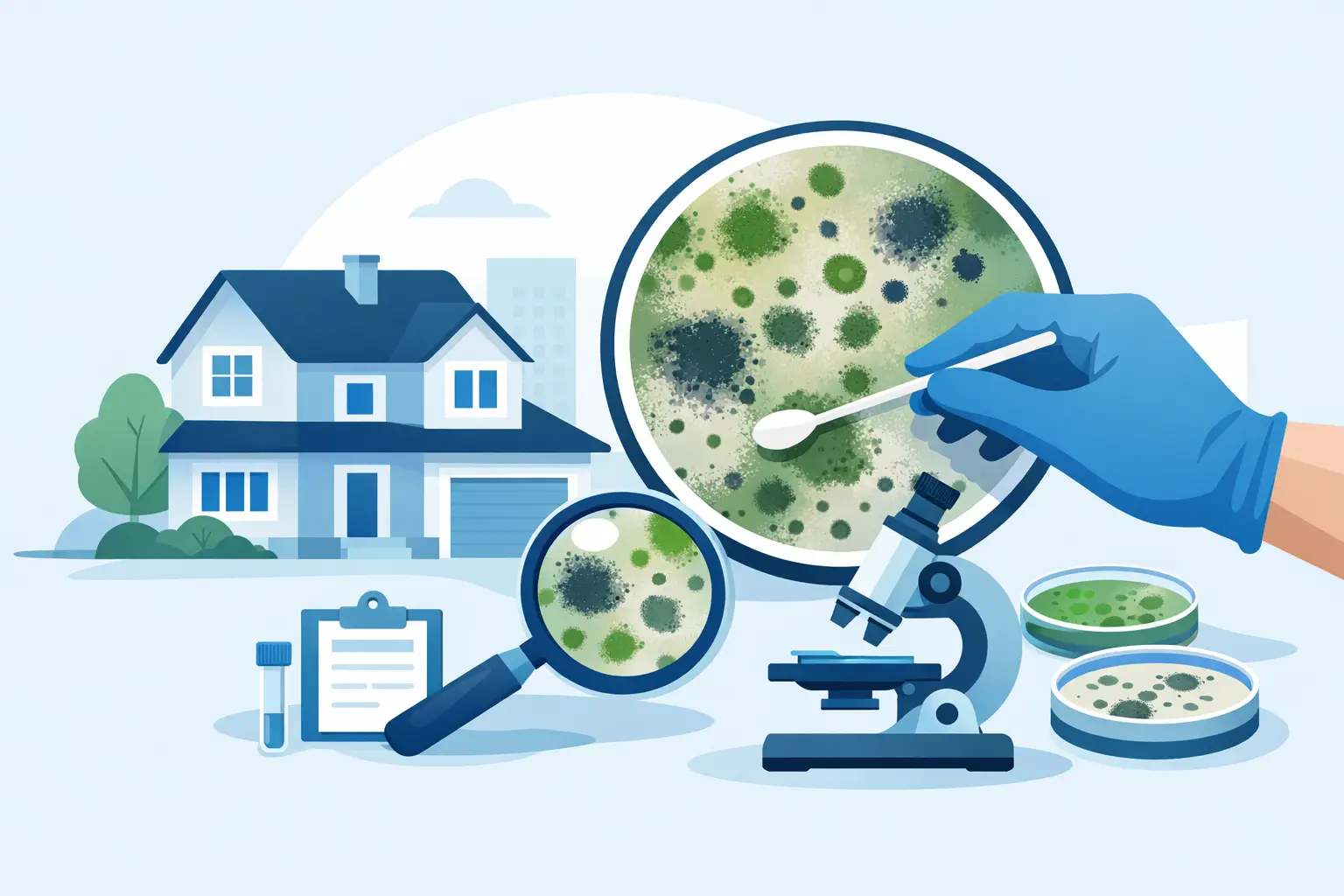
Mold Surface Sampling Explained for Property Owners
Mold surface sampling explained: learn when swab, tape, and bulk samples help identify contamination, guide remediation, and support clearer decisions.

When Is Mold Air Testing Needed in Texas?
Learn when is mold air testing needed, what results can show, and why a complete moisture-focused assessment leads to defensible next steps in Texas.
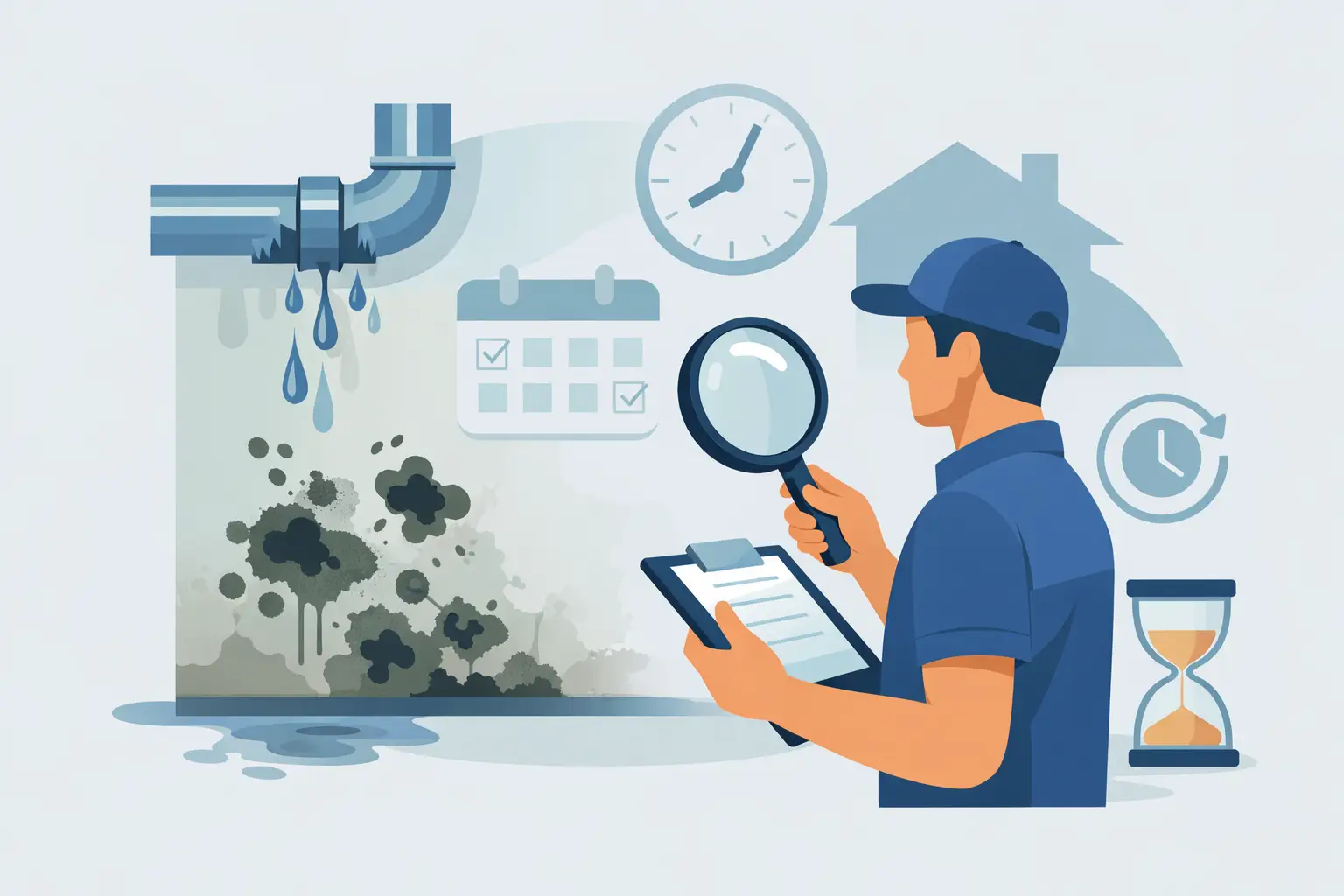
When to Schedule Mold Inspection After a Pipe Leak
A mold inspection after a pipe leak identifies hidden moisture, documents conditions, and guides proper drying, cleanup, repair, and insurance decisions.
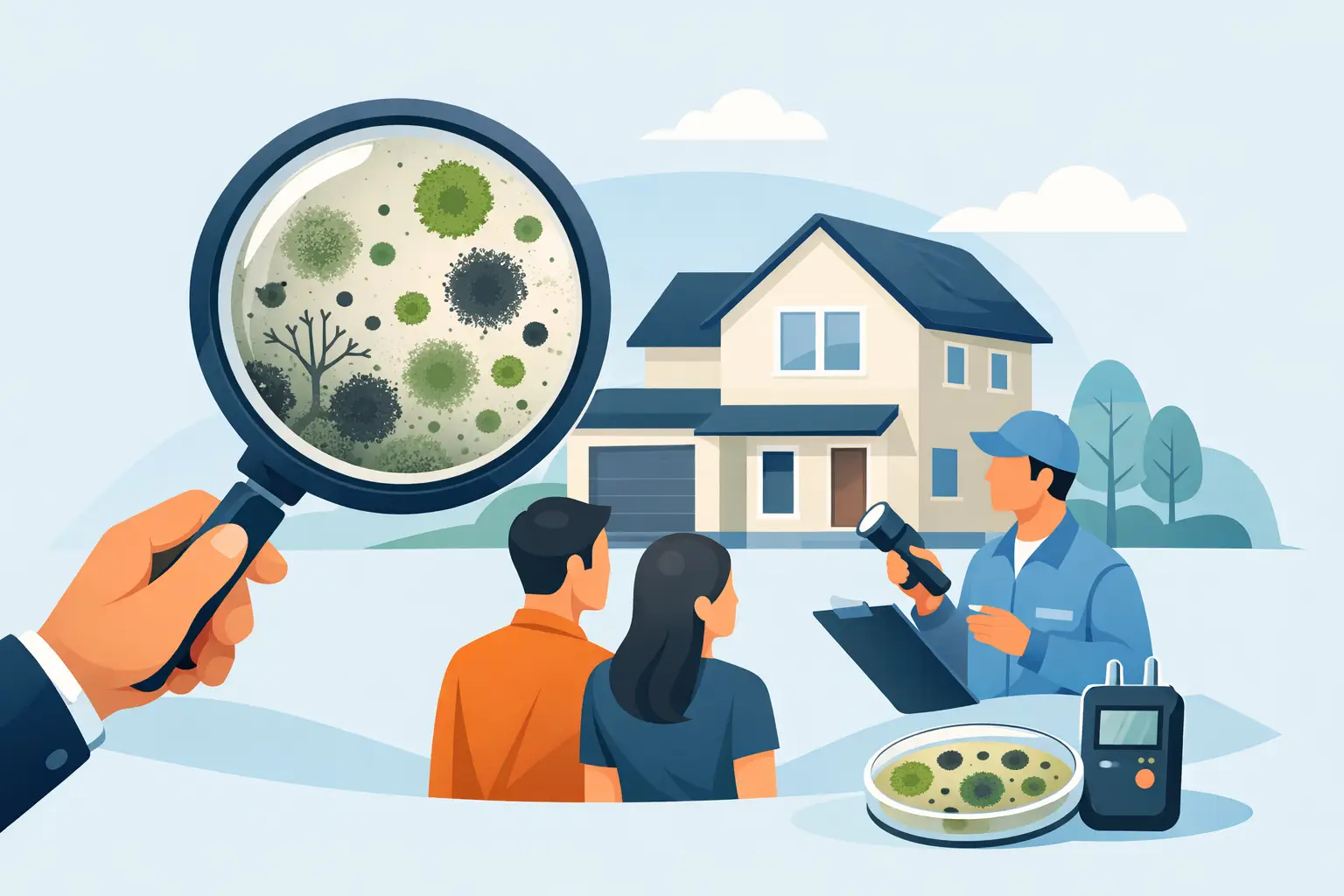
Mold Inspection Before Buying a House: What It Finds
Learn why a mold inspection before buying house matters, what an independent assessment includes, and how findings can guide a Texas home purchase safely.

Mold Assessment for an Insurance Claim in Texas
A mold assessment for insurance claim documentation identifies moisture, mold conditions, and scope so Texas property owners can proceed confidently now.
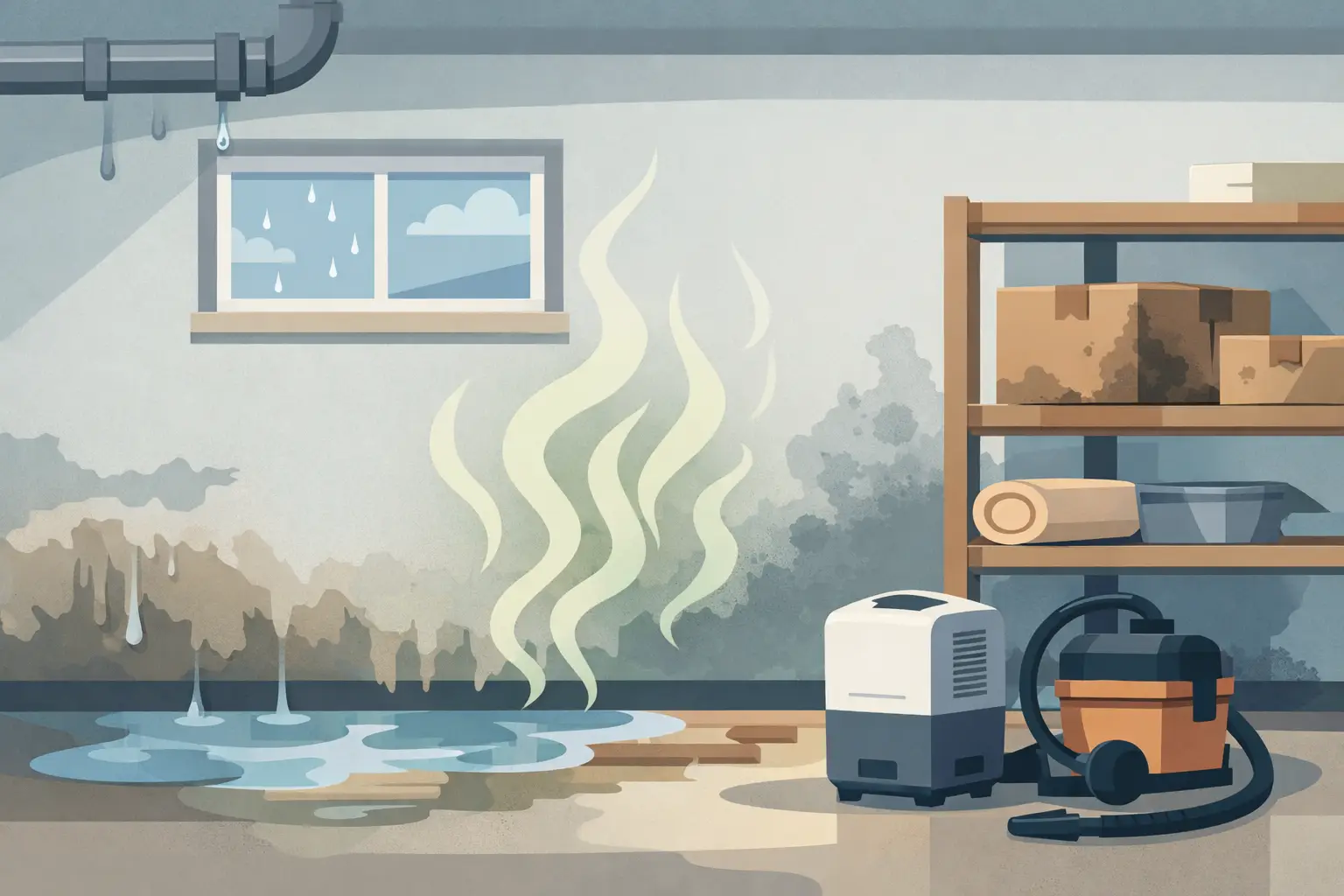
Why a Musty Smell After Water Damage Persists
A musty smell after water damage can signal hidden moisture or mold. Learn what causes it, what to check, and when an independent assessment can help now.
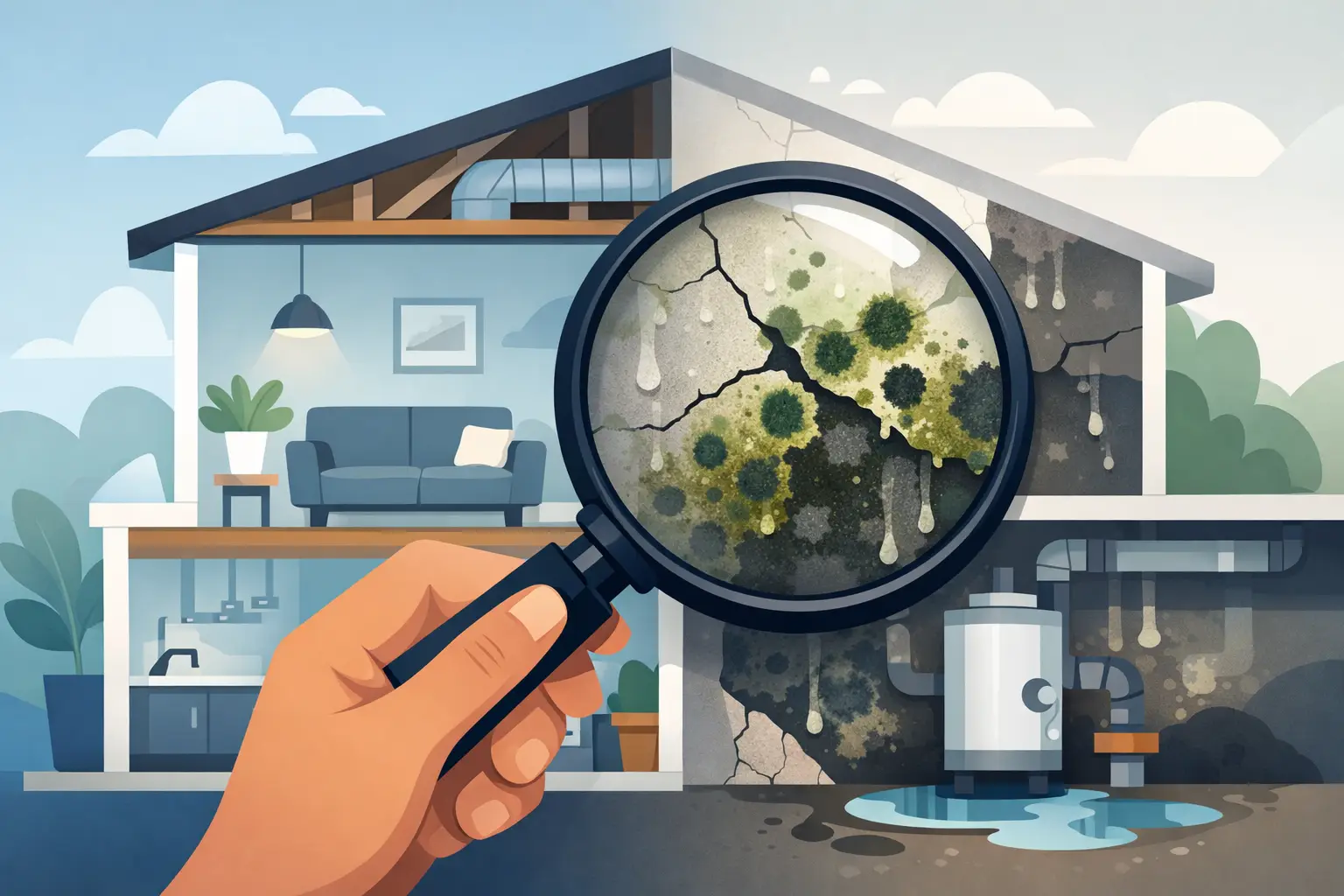
How to Know If Mold Is Hidden in Your Home
Learn how to know if mold is hidden by recognizing moisture clues, musty odors, and building changes, and when an independent assessment is often needed.

How to Test Indoor Air Quality at Home Properly
Learn how to test indoor air quality at home, recognize when DIY checks are useful, and know when a professional assessment can identify moisture and mold.

When Indoor Air Quality Consulting Makes Sense
Indoor air quality consulting identifies moisture, mold, and ventilation concerns with independent testing and practical next steps for Texas properties.